YouTube Makes Bold Play for TV Dominance
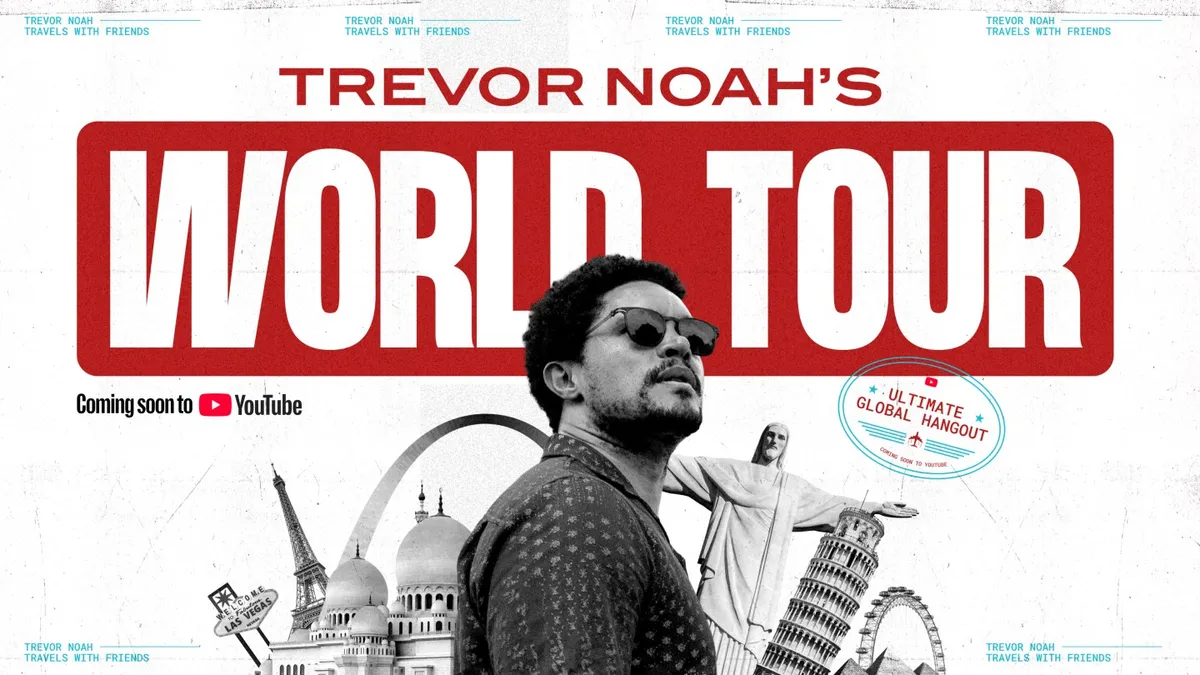
YouTube made its most ambitious statement yet about the future of entertainment at its 2026 Brandcast event, with TV veteran-turned-YouTuber Trevor Noah hosting the platform's annual upfront presentation. The company used the high-profile event to position itself not just as "a streaming option" but as "the streaming platform," according to reports.
The platform unveiled an unprecedented slate of exclusive shows from major creators, marking the first time YouTube has showcased such content at its Brandcast. This strategic move signals the company's confidence in creator-driven programming as traditional TV networks continue to struggle with changing viewer preferences.
Major Creator Talent Chooses YouTube Over Legacy Media
According to reports, YouTube secured exclusive content from several high-profile creators who are choosing the platform over traditional media opportunities. The lineup includes Trevor Noah himself, podcast star Alex Cooper, former NBA player Dwyane Wade, and soccer sensation Erling Haaland.
This creator exodus from traditional media represents what industry observers are calling a watershed moment in entertainment. The platform appears to be capitalizing on a broader trend where top talent is moving away from legacy media gatekeepers toward direct-to-audience platforms.
Creator-Owned Networks Gain Momentum
One notable development highlighted at the event was the rise of creator-owned networks, with Alex Cooper's "Unwell" network serving as a key example of this emerging model. These networks represent a significant shift in how entertainment content is produced and distributed, moving away from traditional studio systems toward creator-controlled programming.
The success of such networks demonstrates how creators are building sustainable businesses while maintaining creative control—something that has proven challenging within traditional media structures.
YouTube's Strategic Advantages in the Creator Economy
YouTube's presentation emphasized its technological and business advantages over competitors, particularly in monetization tools and ad-tech capabilities. According to reports, the platform showcased new monetization features designed to help creators build sustainable revenue streams.
This focus on creator economics reflects YouTube's understanding that providing robust financial tools is crucial for attracting and retaining top talent. As ad budgets continue migrating toward digital platforms, YouTube appears positioned to capture a significant portion of this spending.
Gen Z Drives Platform Preference Shift
The event highlighted how Gen Z audiences are rejecting traditional media gatekeeping in favor of creator-driven content. According to reports, this demographic shift is forcing brands to reconsider where they allocate their advertising budgets and partnership investments.
YouTube's strategy appears designed to capitalize on this generational preference, offering brands direct access to engaged audiences through creator partnerships rather than traditional commercial placements.
The Business Case for Exclusive Creator Content
By investing in exclusive creator programming, YouTube is making a clear statement about the commercial viability of creator-led entertainment. The platform's willingness to compete directly with traditional networks for top talent suggests confidence in the creator economy's long-term prospects.
This approach represents a fundamental shift from YouTube's origins as a user-generated content platform toward a more traditional media model—albeit one built around individual creators rather than corporate entities.
Industry Implications
The 2026 Brandcast represents YouTube's most direct challenge yet to traditional television and streaming services. By positioning itself as "the streaming platform" rather than merely an alternative, YouTube is essentially declaring its intention to replace legacy media as the primary destination for both creators and viewers.
This bold positioning comes at a time when traditional TV networks are struggling to adapt to changing consumption patterns and advertiser preferences. YouTube's creator-first approach appears designed to exploit these vulnerabilities while building a more sustainable entertainment ecosystem.
The success of this strategy will likely depend on whether YouTube can maintain the authentic creator-audience relationships that have driven its growth while scaling up to compete with traditional entertainment giants.