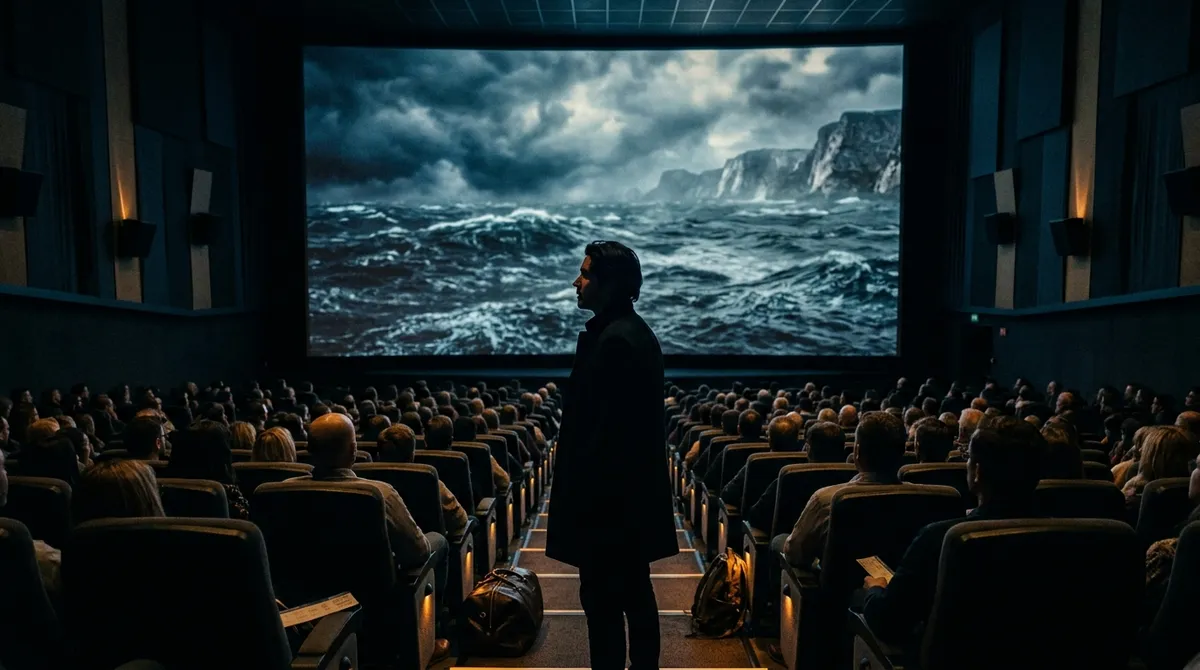
Tickets Sold Out Before Anyone Saw a Single Frame
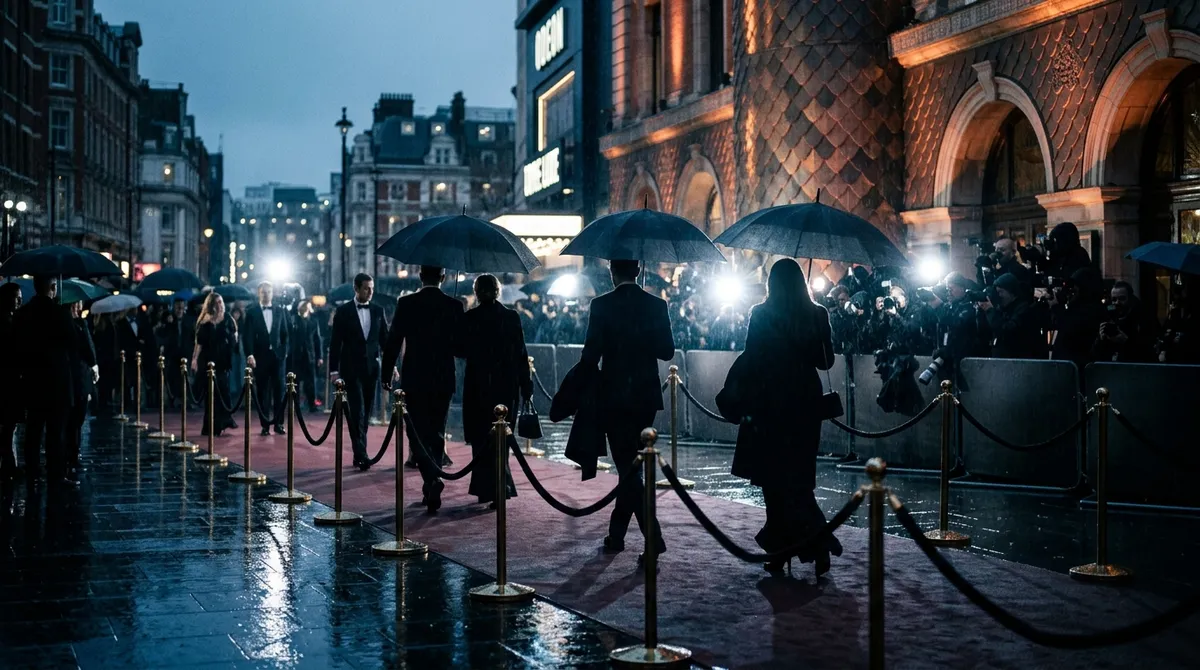
Let that sink in for a second. When a handful of theaters quietly listed opening weekend tickets for Christopher Nolan's The Odyssey in July 2025 — a full year before the film's July 17 release — every single one was gone within twelve hours. No trailer. No reviews. Not even a real poster. Just Nolan's name attached to Homer's Odyssey, and that was more than enough. Some fans didn't just buy tickets. They booked flights.
This is what peak movie anticipation looks like in 2025, and once you understand how this film was made, the hysteria makes complete sense.
He Broke a Rule That Stood for Over a Century
Every major blockbuster you've ever loved — every sweeping IMAX spectacle, every jaw-dropping action sequence — was actually shot on a mix of formats. True IMAX cameras, the ones that shoot on massive 15/70mm film, were reserved for select moments only. The cameras were enormous, brutally loud, and simply impossible to use during intimate dialogue scenes. Directors worked around them.
Nolan didn't work around them. The Odyssey is the first feature film in history shot entirely on IMAX. Every single scene. Every conversation, every monster, every quiet heartbreak. All of it captured on the largest, highest-resolution format that exists, producing an image up to three times sharper than standard digital and filling the screen floor-to-ceiling at a 1.43:1 aspect ratio.
The Camera Didn't Exist — So IMAX Built One
After Oppenheimer dominated awards season in 2023, Nolan went back to IMAX with what amounted to an impossible request: build me a camera I can shoot an entire movie on. It needed to be lighter, more manageable, and — crucially — quiet enough that actors could actually perform without the mechanical roar swallowing their dialogue.
IMAX delivered. The result was a brand new 70mm film camera called the Keighley, reportedly about thirty percent quieter than its predecessors, meaningfully lighter, and equipped with a modern video tap so the crew could actually monitor footage on set. Nolan and his longtime cinematographer Hoyte van Hoytema took that camera and simply never stopped rolling. By the time production wrapped, they had exposed roughly two million feet of film on a production estimated to cost around 250 million dollars.
That's not filmmaking. That's commitment on a mythological scale — which, given the source material, feels about right.
The Cast Is as Epic as the Story
If you need a quick refresher: Homer's Odyssey follows Odysseus as he fights his way home from the Trojan War across a sea full of gods, monsters, and seductions that would break any ordinary man. It's arguably the oldest adventure story in Western civilization, and Nolan cast it accordingly.
Matt Damon steps into the sandals of Odysseus. Anne Hathaway plays Penelope, the wife waiting and scheming at home. Tom Holland takes on Telemachus, the son searching for his father. And then the supporting cast just keeps going: Zendaya as Athena, Lupita Nyong'o, Charlize Theron, Mia Goth, Jon Bernthal, John Leguizamo, and Benny Safdie. It is an ensemble built to match the scale of the screen carrying it.
The Catch That Turned This Into a Pilgrimage
Here's where anticipation tipped into full-blown frenzy. Shooting entirely on IMAX is one thing. Actually projecting it the way Nolan intended is another problem entirely — and it's a problem most of the world simply cannot solve.
Only around twenty-five theaters on the entire planet are equipped to project film in its native 15/70mm IMAX format. Universal is reportedly striking only around thirty prints total. That scarcity changes everything. Choosing a showtime becomes planning an expedition. Fans aren't picking a convenient multiplex; they're researching which city has one of those twenty-five screens and booking accordingly.
Tickets vanishing a year in advance suddenly makes a lot more sense.
Why 'The Odyssey' Is More Than Just a Movie
For the better part of a decade, the entertainment industry has leaned into convenience — streaming, home viewing, content you can pause and revisit in fragments. The Odyssey is a deliberate argument against all of that. It insists that certain stories deserve the biggest canvas ever built, that the theater can still be a destination worth traveling to, and that audiences will absolutely make the journey when something genuinely irreplaceable is waiting at the end of it.
The sold-out tickets suggest the argument is already winning.
The Odyssey opens July 17. If you can get yourself to one of those twenty-five true IMAX 70mm screens, that's the version worth the trip.