From Comedy to Colonial Horror: How 'Widow's Bay' Reinvented Itself
According to reports, "Widow's Bay" has taken a dramatic turn with its midseason episodes, transforming from a comedic mystery into something far more sinister. Creator Katie Dippold and guest star Hamish Linklater recently discussed how Episodes 6 and 7 serve as a pivotal moment for the series, revealing the dark colonial origins that have shaped the cursed island.
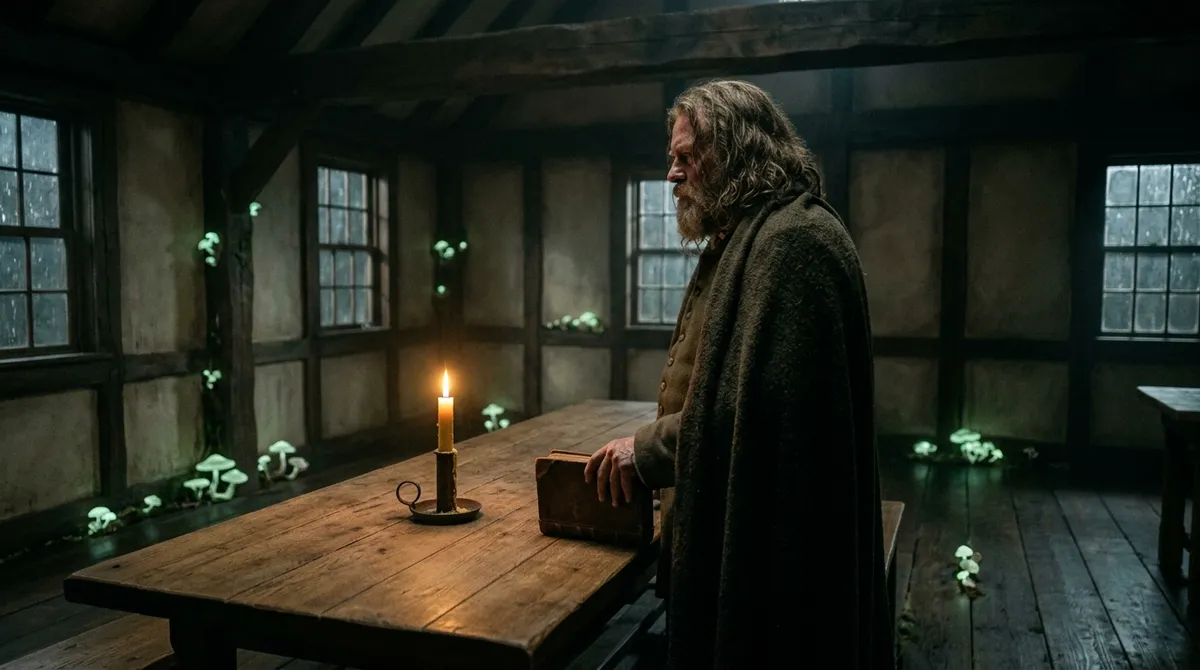
The sixth episode functions as what reports describe as "a mini colonial horror film," diving deep into the island's 300-year history. This flashback episode unveils the story of Richard Warren, a character who has somehow survived for three centuries, and the supernatural forces that bind the community together.
The Mushroom Covenant That Changes Everything
At the heart of the island's curse lies what's being called "the mushroom covenant" – a supernatural agreement that appears to be central to understanding the town's mysterious happenings. According to the creators, this revelation fundamentally alters the meaning of everything viewers have witnessed on the island so far.
The strategic placement of this lore-heavy episode reflects a growing trend in prestige television, where midseason mythology episodes are becoming powerful storytelling tools. "Widow's Bay" uses this approach to completely reinvent its genre identity, shifting the entire narrative framework from comedy-mystery to folk-horror.
Ti West's Atmospheric Direction
Reports indicate that director Ti West brought his signature atmospheric style to the flashback sequences, creating a horror experience that maintains the show's comedic balance while introducing genuinely unsettling elements. This delicate genre-blending approach allows the series to explore its darker themes without abandoning the humor that initially drew audiences.
Hamish Linklater's Charismatic Horror Patriarch
Linklater's portrayal of Richard Warren has drawn comparisons to his previous work, particularly his role in "Midnight Mass." According to reports, Warren fits into what's being recognized as the "charismatic, doomed horror patriarch" archetype – a character type that resonates strongly with contemporary horror audiences.
The actor's two-episode arc spans both the historical flashback and the contemporary storyline, creating a bridge between the island's colonial past and its present-day mysteries. This dual timeline approach allows viewers to understand how centuries-old events continue to influence the current residents.
The Chemistry Between Past and Present
Reports highlight the horror-comedy chemistry between Betty Gilpin and Hamish Linklater as a key element in making the genre transition work. Their performances help maintain the show's tonal balance while navigating the shift from mystery-comedy to supernatural horror.
The seventh episode continues the story with what's described as a pivotal boat trip, presumably connecting the historical revelations to the ongoing contemporary plot. This structure allows the series to explore how the past literally haunts the present on Widow's Bay.
A New Framework for Understanding the Series
By revealing the supernatural mushroom covenant and Richard Warren's centuries-long survival, these episodes provide viewers with an entirely new lens through which to interpret earlier events. What initially appeared to be quirky small-town mysteries now take on darker implications when viewed through the colonial horror framework.
The timing of this revelation speaks to sophisticated storytelling choices, using the midseason position to completely recontextualize the series' premise. This approach transforms "Widow's Bay" from a straightforward comedy into something more complex and potentially unsettling.
The Prestige TV Midseason Gambit
According to reports, the use of mythology-heavy flashback episodes is becoming a significant tool in prestige television. "Widow's Bay" demonstrates how this technique can be used not just to provide backstory, but to fundamentally alter a show's genre and viewer expectations.
The series joins a growing number of shows that use their middle episodes to take creative risks, betting that audiences will follow them through dramatic tonal shifts if the payoff justifies the journey.
For horror fans, the connections to "Midnight Mass" and other recent folk-horror productions create compelling conversation points, while the show's unique blend of comedy and supernatural elements continues to set it apart in an increasingly crowded television landscape.