A Bold Musical Pivot
AMC's Interview with the Vampire is preparing for its most ambitious transformation yet with season 3, officially titled The Vampire Lestat. According to reports, the upcoming season represents a major reinvention of the series, shifting from the introspective, trauma-focused storytelling of previous seasons to a theatrical, music-led character spectacle centered on Lestat's perspective.
The show is being positioned as Anne Rice's vampire mythology reimagined through the lens of rock-star mythmaking, with music becoming both a plot device and a window into character psychology. This bold pivot transforms the series from its previous focus on memory, trauma, and confession to themes of ego, performance, and musical storytelling.
Music Takes Center Stage
At the heart of this transformation is composer and co-writer Daniel Hart, whose role has expanded significantly beyond traditional music composition. According to reports, Hart's creative influence now extends into the writers' room, where music is shaping not just the soundtrack but the actual writing, performances, costumes, and production design of the series.
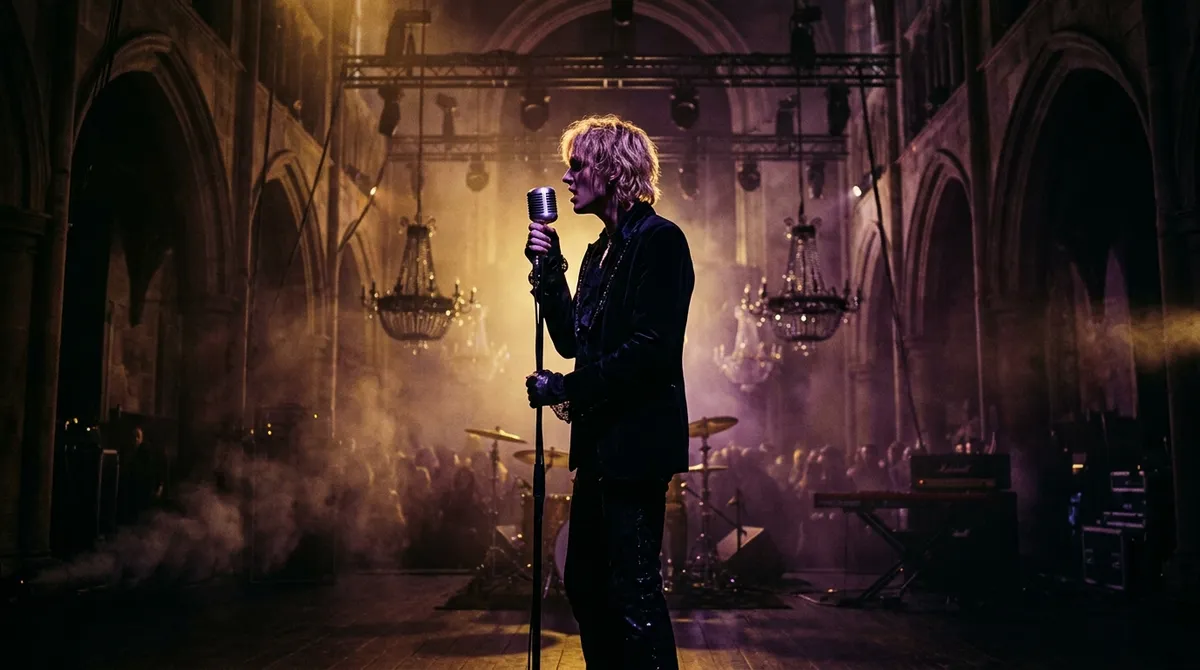
This unusual approach sees The Vampire Lestat evolving into what's being described as a vampire rock opera, where Lestat's music serves as both narrative driver and psychological exploration. The integration of rock music into the show's DNA represents a fundamental shift in how the series approaches storytelling, moving away from the confessional tone that defined earlier seasons.
Lestat's Unreliable Perspective
Season 3's focus on Lestat brings with it a new narrative approach that centers on his version of events. According to reports, music becomes a key element in presenting Lestat's unreliable perspective, suggesting that his rock-star persona and musical performances will color how viewers experience his retelling of vampire mythology.
This shift promises to showcase Sam Reid's transformation into Lestat the rock star, a performance that will likely differ significantly from the character's appearances in previous seasons. The emphasis on Lestat's ego and performance-driven personality suggests a more flamboyant and theatrical approach to the vampire's story.
Visual Spectacle and Production Design
The visual world of season 3 is expanding to accommodate its musical ambitions, with settings that range from French chateaus to rock clubs. This diverse visual palette reflects the show's commitment to creating a world where vampire mythology intersects with rock culture, providing backdrops that support both the intimate character moments and grand musical performances.
The production design appears to be embracing the theatrical nature of Lestat's story, creating environments that can accommodate both the gothic elements that define vampire fiction and the contemporary energy of rock music.
Building Fan Anticipation
The strategic rollout of The Vampire Lestat content is already generating significant fandom excitement. According to reports, teaser drops, casting reveals, and song releases are building anticipation for what promises to be the series' most ambitious season yet.
This marketing approach reflects the confidence producers have in their musical pivot, using the rock opera elements as selling points rather than hiding them. The early release of musical content suggests that the songs themselves will be significant enough to stand alone as entertainment, not just background elements.
A Series Reinvention
The Vampire Lestat represents more than just a new season—it's being positioned as a complete reinvention of what Interview with the Vampire can be. By embracing music as a core storytelling element and shifting to Lestat's flamboyant perspective, the series is taking a significant creative risk that could redefine how vampire stories are told on television.
The success of this approach will likely depend on how well the series balances its new musical elements with the psychological depth and gothic atmosphere that made the earlier seasons compelling. If successful, The Vampire Lestat could establish a new template for how classic literary properties can be adapted for modern audiences through innovative storytelling techniques.