The Hidden Engine of Television Talent Discovery
At this year's ATX TV Festival, casting directors behind some of television's biggest procedural hits pulled back the curtain on one of Hollywood's most demanding yet rewarding processes. According to reports from the panel, CSA members Eric Souliere, Veronica Collins Rooney, and Rebecca Mangieri shared insights into casting shows like 9-1-1, Tracker, Fire Country, Chicago Med, and S.W.A.T.
The main revelation from their discussion centers on a striking contrast in today's television landscape: while prestige TV seasons continue to shrink, procedurals maintain their traditional 18-to-22-episode runs, creating a constant demand for fresh talent.
The Four-Day Casting Sprint
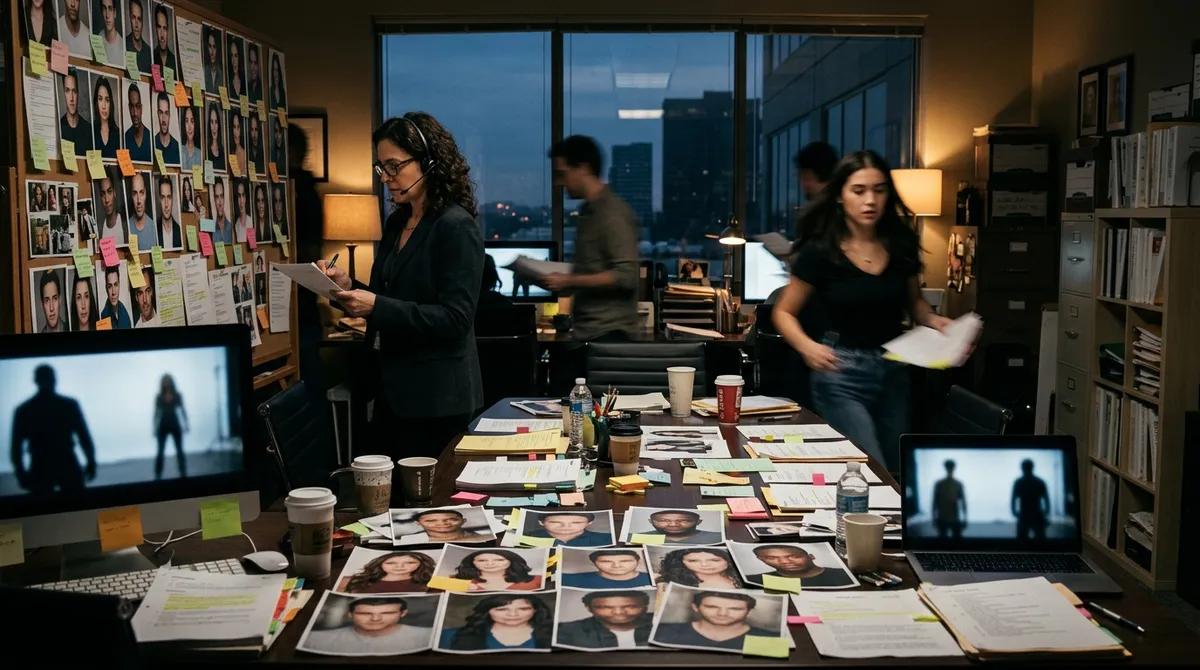
The panel revealed the breakneck pace that defines procedural casting, with casting directors having just four days to cast a full episode. This rapid-fire schedule creates unique challenges but also unprecedented opportunities for emerging actors to break into the industry.
According to the casting directors, this relentless pace is both demanding and rewarding. The constant need for guest roles across multiple episodes per season means casting teams are continuously searching for new faces, making procedurals an increasingly important career pipeline for actors looking to establish themselves in Hollywood.
Procedurals as Career Launchpads
The discussion highlighted how procedural television serves as "Hollywood's hidden talent engine." The case-of-the-week format inherent to these shows requires a steady stream of guest actors, from witnesses and suspects to victims and experts. This structure creates more entry-level opportunities than many other television formats.
As prestige television increasingly focuses on limited series and shorter seasons with established stars, procedurals remain one of the few formats consistently offering substantial screen time to lesser-known actors. This makes them crucial stepping stones for performers trying to build their careers and gain industry recognition.
The Art of Regional Authenticity
The casting directors also addressed the challenge of making regional authenticity feel genuine on screen. According to reports, they discussed the logistics involved in casting actors who can convincingly portray characters from specific geographic locations, adding another layer of complexity to their already demanding schedules.
Navigating the TV Universe Challenge
Another fascinating aspect covered in the panel was the hidden logistics of avoiding repeat actors across interconnected TV universes. With shows like Chicago Med, Chicago Fire, and Chicago P.D. existing in the same fictional world, casting directors must carefully track which actors have appeared in which roles to maintain continuity and believability across the franchise.
The Changing Television Landscape
The timing of this discussion feels particularly relevant given the current state of television production. As streaming platforms and premium networks increasingly focus on limited series and shorter seasons, procedurals represent a stable source of consistent work for both cast and crew members.
For casting directors, this means maintaining relationships with a vast network of actors while constantly seeking new talent to fill the numerous guest roles that keep these shows running week after week.
Industry Impact and Future Outlook
The insights shared at ATX TV Festival underscore the continuing importance of procedural television in the broader entertainment ecosystem. While critical attention often focuses on high-profile limited series and prestige dramas, procedurals quietly serve as training grounds and proving grounds for countless industry professionals.
For aspiring actors, the message is clear: procedural television remains one of the most accessible paths to gaining professional experience and industry recognition. The constant demand for guest roles means opportunities exist for performers willing to embrace the fast-paced, high-volume nature of this particular corner of the television industry.
The panel's revelations highlight how procedurals continue to adapt and thrive in an evolving television landscape, serving as both entertainment for audiences and career opportunities for the next generation of Hollywood talent.