
Fan-Voted Twists Spark Controversy
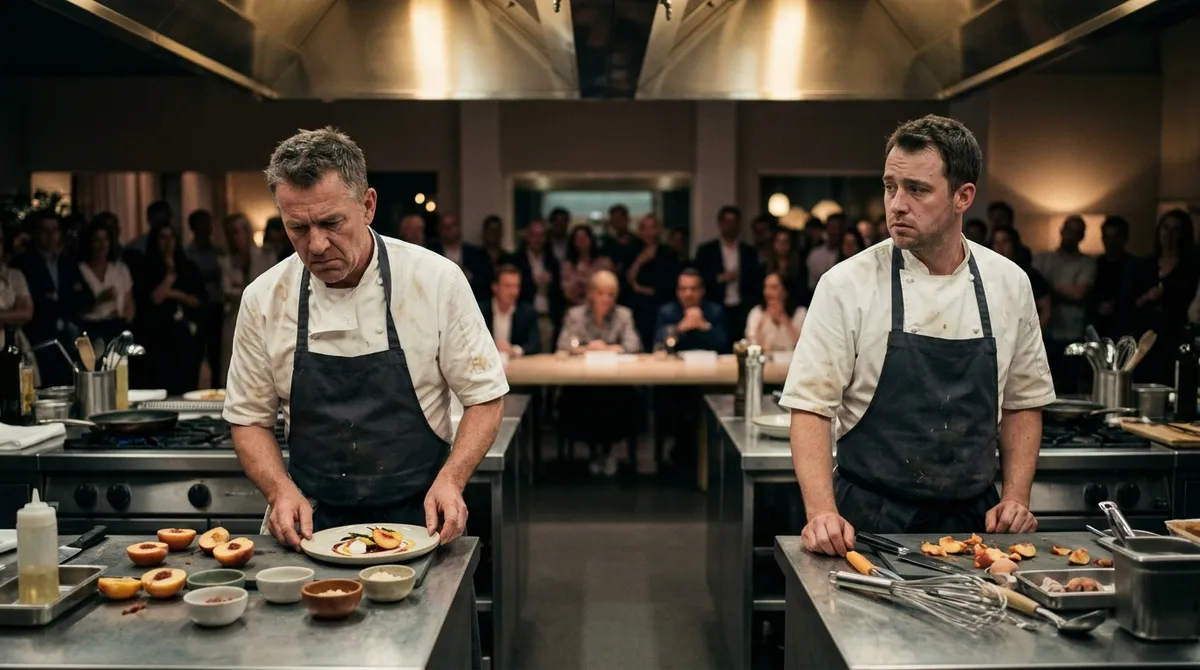
Top Chef Season 23's latest episode, "Down the Rabbit Hole," has ignited discussion among viewers about whether reality TV mechanics are interfering with serious culinary competition. According to reports, Episode 11 featured a chaotic peach Quickfire challenge that incorporated fan-voted elements, leading to criticism about the show's direction.
The episode, which aired as part of the Carolinas-focused segment of the season, centered around peaches and rabbit as key ingredients for the remaining chefs. However, the execution has drawn scrutiny from viewers and critics who question whether these gimmicky elements detract from the cooking competition's core focus.
Judging Transparency Under Fire
One of the primary criticisms emerging from the episode involves the lack of transparency in the judging process. According to reports, the murky judging decisions have become a recurring issue this season, with viewers struggling to understand the criteria behind eliminations and wins.
This opacity has sparked comparisons to other culinary competition shows that employ more transparent scoring systems. Food TV enthusiasts are increasingly questioning whether Top Chef's current format serves the competition's credibility or undermines it.
Guest Judge Integration Problems
The episode also highlighted ongoing concerns about guest judge integration, particularly regarding influencer-driven casting decisions. Reports suggest that the show's approach to incorporating guest judges may be contributing to the season's perceived weaknesses.
Sherry, one of the remaining contestants, reportedly demonstrated Michelin-level confidence while facing performance pressure during the challenges. However, the focus on contestant drama appears to be overshadowing the actual cooking skills on display.
Challenge Design Criticism
The "swap stations" cooking challenge format used in the episode has come under particular scrutiny. According to reports, this challenge design, along with other gimmicky elements, represents a broader problem with Season 23's approach to competition structure.
Critics argue that these reality-show mechanics are testing viewer tolerance as the competition approaches its final stages. With higher expectations for the remaining episodes, the show faces pressure to balance entertainment value with culinary credibility.
Impact on Competition Integrity
As Top Chef Season 23 nears its finale, the episode has raised questions about the show's evolution and priorities. The criticism reflects broader debates within the food television landscape about maintaining authenticity while incorporating engaging television elements.
Viewers have expressed frustration with what they perceive as weak challenge design that prioritizes spectacle over skill assessment. This tension between entertainment and competition integrity continues to be a defining issue for the season.
Industry Context
The controversy surrounding Episode 11 occurs amid wider discussions in food television about credibility and judging clarity. Other culinary competition shows have adopted more transparent approaches to scoring and elimination decisions, creating pressure on Top Chef to address these concerns.
The debate highlights the ongoing challenge facing reality competition shows: how to maintain viewer engagement while preserving the integrity of the underlying competition. As streaming platforms continue to invest in food content, these questions about format and authenticity become increasingly relevant.
With the season's finale approaching, it remains to be seen whether Top Chef will address these criticisms or continue with its current approach to challenge design and judging transparency.