The Hidden World of Baby Casting in Television
When filming medical dramas like "The Pitt," every detail must align perfectly. The show's 360-degree hospital set and meticulously crafted prosthetics leave little margin for error—including when it comes to casting the youngest members of the ensemble.
Behind the scenes of hit shows like "The Pitt," "Grey's Anatomy," and "Margo's Got Money Troubles," an intricate casting process unfolds to recruit, manage, and compensate infant actors. According to reports, this niche corner of the entertainment industry reveals surprising earning potential for babies and their families, even as technological advances threaten to reshape the landscape entirely.
The Economics of Baby Acting
The financial rewards for infant performers can be substantial. According to industry reports, babies can earn between $300 to over $1,000 per day for their on-set work. Perhaps even more remarkably, these young actors often receive compensation even when they don't actually film, highlighting the unpredictable nature of working with infants and the production adjustments that accommodate their needs.
This earning potential has created what some describe as a "gig economy baby" phenomenon, where parents explore opportunities to monetize their newborns' brief appearances in television and film productions. The practice raises questions about the intersection of parenting and side income in the modern entertainment landscape.
Why Real Babies Still Trump Technology
Despite rapid advances in artificial intelligence and computer-generated imagery, real infants continue to hold an advantage in one crucial area: emotional authenticity. According to reports, the genuine reactions and natural movements of real babies provide a level of believability that current AI and CGI technology struggle to replicate convincingly.
This authenticity factor keeps real infant actors in demand for productions seeking to create genuine emotional connections with audiences. Medical dramas, in particular, rely heavily on these authentic moments to sell the reality of hospital scenarios and family dynamics.
The Casting Secrets Behind Infant Selection
The process of selecting baby actors involves criteria that might surprise viewers. According to industry insights, temperament takes precedence over physical appearance when casting directors evaluate potential infant performers. A baby's ability to remain calm and adaptable on set proves more valuable than conventional notions of photogenic appeal.
One significant factor that can disqualify potential baby actors is stranger anxiety. Infants who become distressed around unfamiliar faces and environments present logistical challenges that can derail tight production schedules, making this behavioral trait a potential dealbreaker in the casting process.
The Shrinking Market and AI Threat
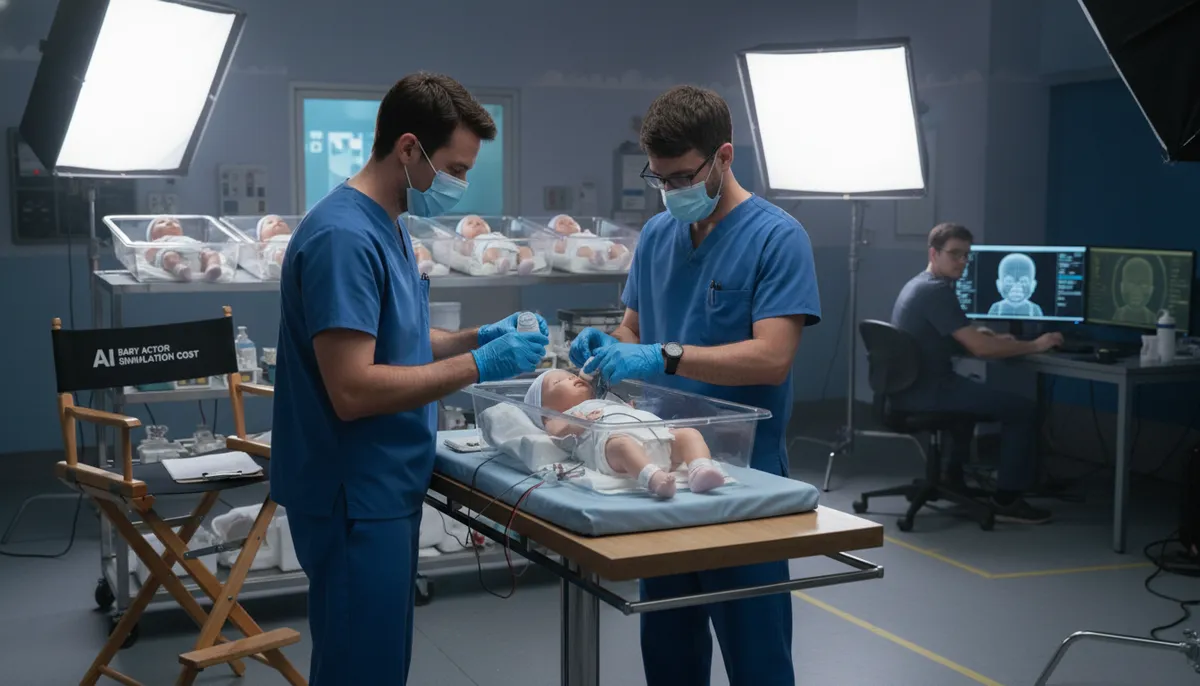
While opportunities for baby actors currently exist, the market faces significant pressure from technological alternatives. AI and sophisticated fake baby technology are increasingly replacing real infants on television and film sets, creating a shrinking job market for the youngest performers in entertainment.
This technological shift reflects broader concerns about AI's impact on creative jobs across the entertainment industry. However, the baby acting niche demonstrates how certain aspects of human authenticity remain difficult to replicate, even as artificial alternatives become more sophisticated.
Production Realities and Practical Considerations
Working with infant actors requires extensive accommodation from production teams. The unpredictable nature of babies—their feeding schedules, sleep patterns, and general temperament—forces productions to build flexibility into their shooting schedules.
For shows with complex technical requirements like "The Pitt," where medical accuracy and detailed set design are paramount, integrating infant actors adds another layer of complexity to an already intricate production process.
Looking Ahead: The Future of Infant Casting
As the entertainment industry continues to evolve, the role of real babies in television and film productions remains in flux. While current technology still struggles to match the authentic emotional impact of real infants, continued advances in AI and CGI may eventually close this gap.
For now, parents considering the baby acting route should understand both the potential financial benefits and the increasingly competitive landscape shaped by technological alternatives. The industry's direction suggests that while opportunities exist today, they may become increasingly rare as artificial solutions improve and gain wider acceptance among producers and audiences alike.