
The landscape of healthcare information technology is undergoing significant changes with the introduction of a new policy aimed at modernizing health records management in the United States. This initiative is designed to streamline the way medical records are stored and accessed, offering both healthcare providers and patients a more efficient system.
Modernizing Health Records
The U.S. government has unveiled plans to overhaul the existing health records system. The goal is to create a more integrated and responsive network that allows seamless access to patient data across various healthcare settings. This move is anticipated to enhance the quality of care by providing doctors with quick access to a patient's comprehensive medical history.
Key Features of the New System
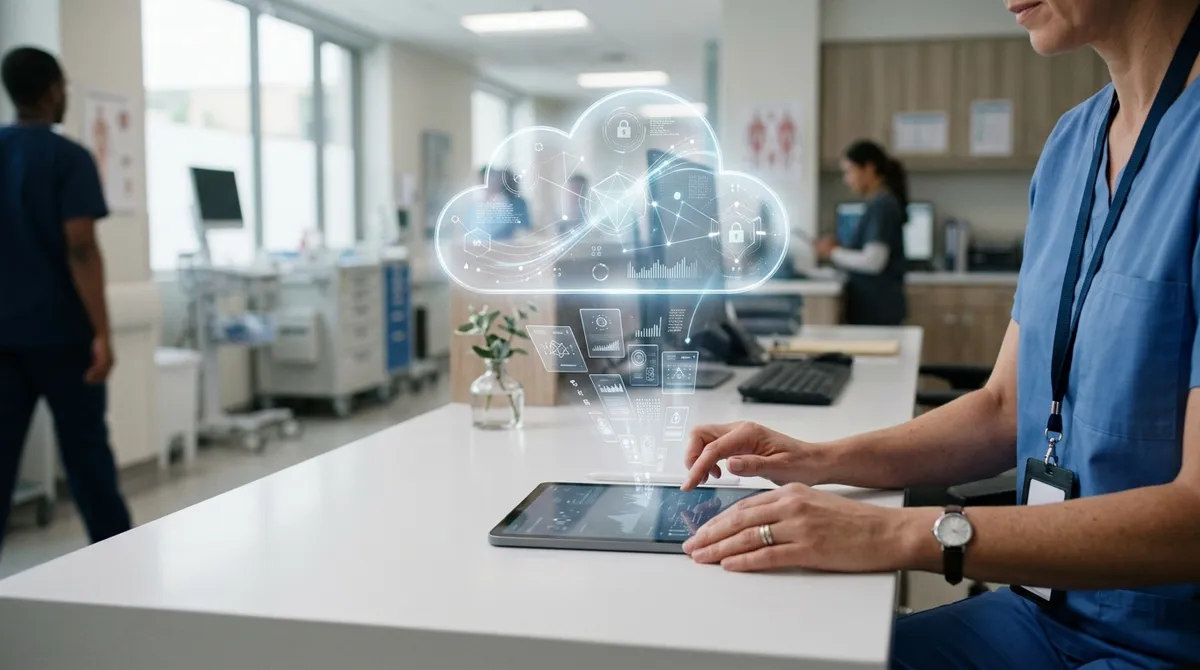
The updated system will leverage advanced technologies such as cloud computing and secure data encryption to protect patient information while ensuring it is readily available. By adopting these technologies, the system aims to reduce the administrative burden on healthcare providers, thus allowing them to focus more on patient care rather than paperwork.
One of the standout features of the new system is its user-friendly interface that will benefit both healthcare professionals and patients. This interface is designed to support easy navigation and quick retrieval of information, reducing the time spent on accessing records.
Implications for Healthcare Providers
Healthcare providers are expected to experience significant benefits from this modernization effort. The streamlined system will likely lead to improved coordination of care, as all relevant data will be accessible from a single platform. This could result in better treatment outcomes and reduced instances of medical errors.
Moreover, the new system is set to improve communication between different healthcare facilities. With standardized data formats and interoperability, hospitals and clinics will be able to share information more effectively, which is crucial in emergency situations.
Benefits for Patients
For patients, the revamped health records system promises to offer greater control over their own healthcare information. Patients will have easier access to their medical histories, lab results, and prescriptions, empowering them to make informed decisions about their health care.
The enhanced transparency and accessibility provided by the new system are expected to build trust between patients and healthcare providers. Patients can be more engaged in their care processes, potentially leading to better adherence to treatment plans and improved health outcomes.
Challenges and Considerations
While the benefits are clear, the transition to a new health records system presents several challenges. Healthcare institutions will need to invest in training for staff to ensure they are proficient in using the new technologies. Additionally, maintaining data security and patient privacy will be paramount during and after the transition.
There are also concerns about the initial costs involved in implementing such an extensive overhaul. However, these costs are expected to be offset by the long-term savings achieved through increased efficiency and reduced administrative workload.
Looking Ahead
The modernization of the health records system represents a significant step forward for the U.S. healthcare industry. As the system is rolled out, continuous feedback from both healthcare providers and patients will be crucial in refining its features and addressing any issues that arise.
Overall, this initiative is poised to transform the way health information is managed, offering a more connected and efficient healthcare experience for all stakeholders involved.