During the late 1990s and early 2000s, a wave of transformative R&B music emerged, marked by its rich blend of soul, jazz, and funk. Among the pioneers of this era was D'Angelo, an artist whose influence and musical prowess left an indelible mark on the genre. His work not only redefined R&B but also opened the door for future generations of musicians.
D'Angelo's debut album, "Brown Sugar," released in 1995, was a groundbreaking success, showcasing his unique sound and artistic depth. This album set the stage for his follow-up, "Voodoo," in 2000, which further cemented his status as a visionary artist. "Voodoo" was critically acclaimed, known for its intricate rhythms, lush arrangements, and D'Angelo's soulful voice.
The Influence of "Voodoo"
"Voodoo" was not just an album; it was a cultural phenomenon that resonated deeply with audiences. The album's production was a collaborative effort with some of the most talented musicians and producers, including Questlove of The Roots. It was a testament to the power of collaboration and innovation in music.
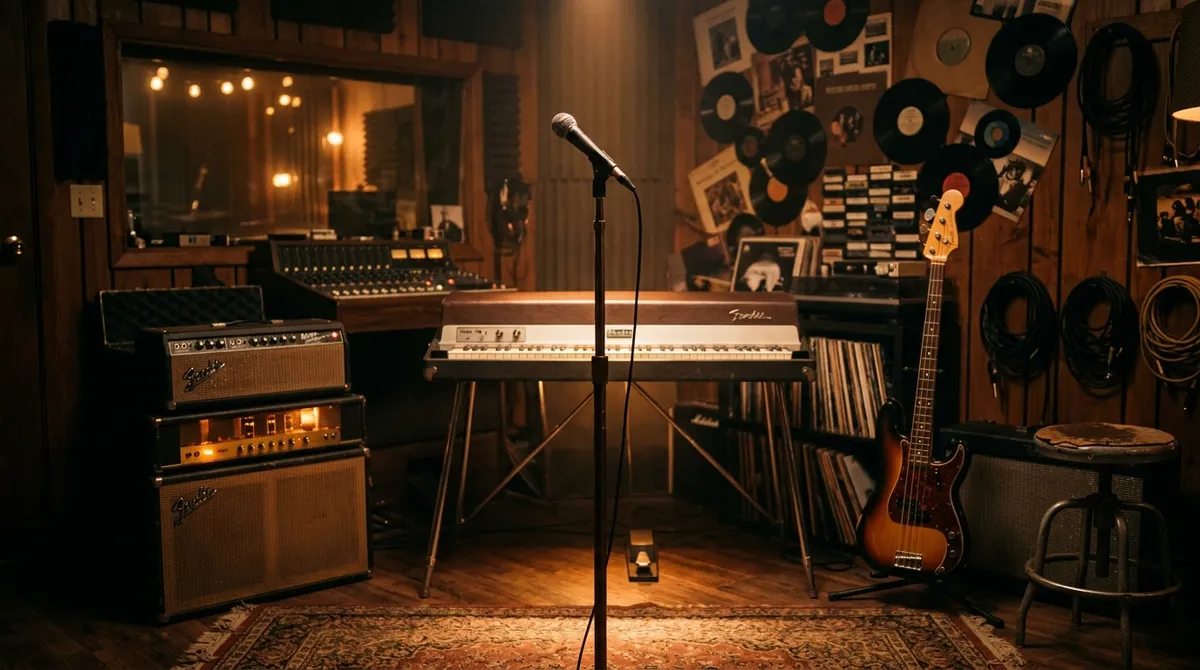
One of the album's standout features was its incorporation of live instrumentation, a departure from the heavily synthesized sounds prevalent in contemporary R&B. This approach gave "Voodoo" a timeless quality, allowing it to remain relevant and influential years after its release. Songs like "Untitled (How Does It Feel)" became iconic, not only for their musicality but also for their impact on music videos and visual storytelling.
D'Angelo's Hiatus and Return
After the success of "Voodoo," D'Angelo retreated from the public eye, leading to speculation about his next move. This period of absence only added to his mystique and the anticipation for his return. It wasn't until 2014 that D'Angelo released his third album, "Black Messiah," which was met with critical acclaim and commercial success.
"Black Messiah" was a reflection of D'Angelo's growth as an artist and his response to the social and political climate. The album was praised for its bold themes and innovative sound, demonstrating D'Angelo's ability to adapt and evolve while staying true to his roots. This release reaffirmed his status as a musical icon and highlighted the enduring power of his artistry.
D'Angelo's Legacy
D'Angelo's influence extends beyond his own music. He paved the way for a new wave of artists who blend genres and push the boundaries of R&B. His commitment to authenticity and artistic integrity has inspired countless musicians and continues to shape the landscape of modern music.
His work has been celebrated for its emotional depth and technical brilliance, earning him a place among the greats in music history. D'Angelo's albums are not just collections of songs but profound statements that resonate with listeners across generations.
The Power of Last Albums
The concept of a "last album" holds significant weight in the music industry. It offers artists a chance to leave a lasting legacy and make a final statement. In D'Angelo's case, each album he released was met with anticipation and curiosity about how it might redefine his sound and message.
For many artists, the last album represents the culmination of their artistic journey, capturing their growth and evolution over the years. It is an opportunity to reflect on their career and influence future artists. D'Angelo's work exemplifies how powerful and transformative these final statements can be.
In conclusion, D'Angelo's contribution to music is undeniable. His innovative sound, emotional depth, and commitment to artistic integrity have left a lasting impact on the industry. As an influential figure, his work continues to inspire and shape the future of R&B and beyond.